**Selecting the Right Plastic Resin for Your Injection Molding Project**
In the world of manufacturing, injection moulding services have revolutionized the production of plastic parts and products. This versatile process allows for the creation of complex shapes with high precision and efficiency. However, the success of any injection molding project heavily depends on one crucial factor: selecting the right plastic resin. This article will guide you through the intricate process of choosing the optimal plastic resin for your specific injection molding needs.
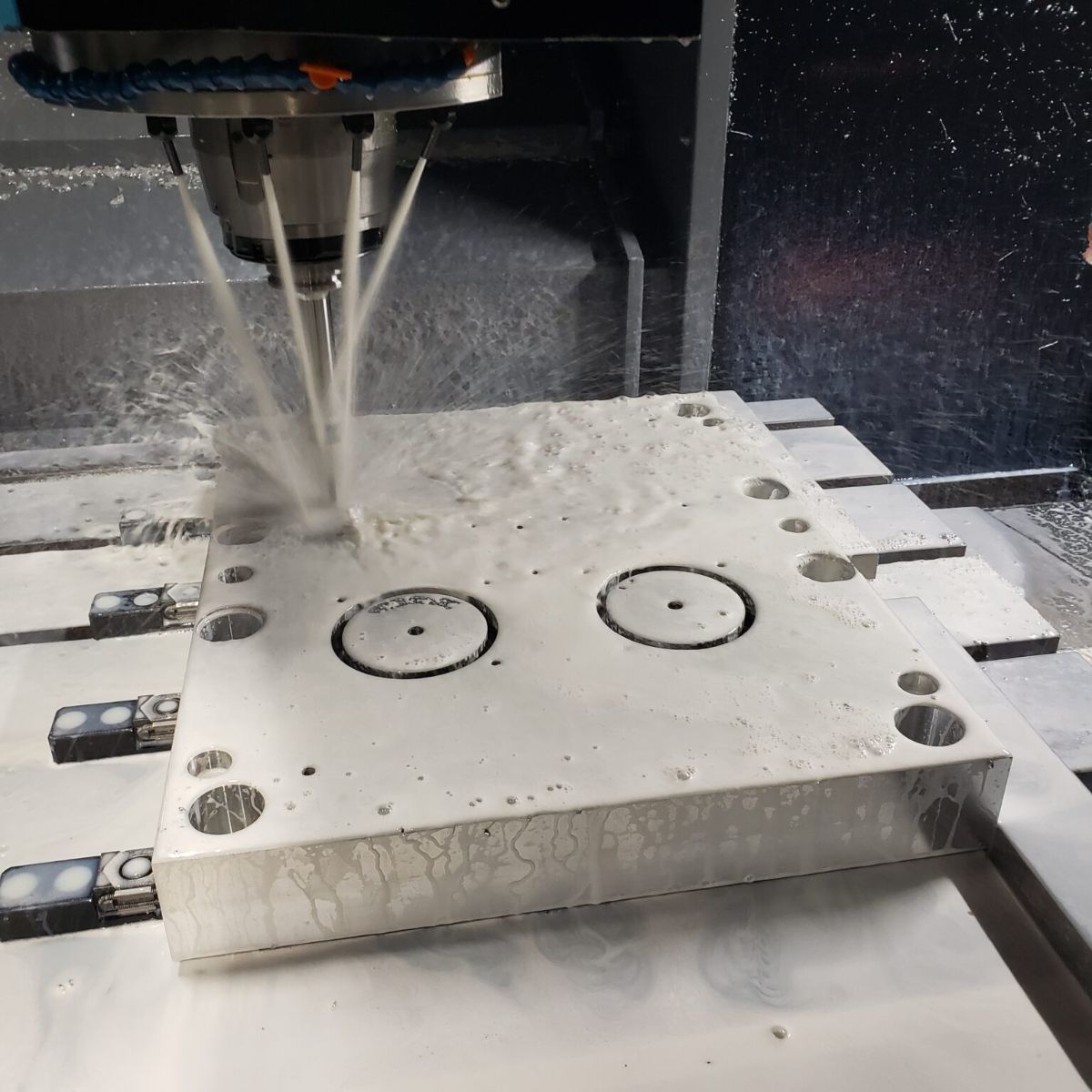
In the world of manufacturing, Iran Ettekal injection moulding services have revolutionized the production of plastic parts and products. This versatile process allows for the creation of complex shapes with high precision and efficiency. However, the success of any injection molding project heavily depends on one crucial factor: selecting the right plastic resin. This article will guide you through the intricate process of choosing the optimal plastic resin for your specific injection molding needs.
Understanding the Importance of Resin Selection
The choice of plastic resin significantly impacts the final product's properties, performance, and cost-effectiveness. When utilizing injection moulding services, it's essential to consider various factors that influence resin selection:
Mechanical properties
Thermal characteristics
Chemical resistance
Environmental factors
Regulatory compliance
Cost considerations
Let's delve deeper into each of these aspects to help you make an informed decision for your injection molding project.
"Choosing the right material for a project is one of the most important factors in creating perfect plastic parts. The advances in polymer science have contributed to the development of a large selection of resins from which to choose." - The Rodon Group, from their article "Plastic Injection Molding 101: Choosing the Best Resin Material"
Mechanical Properties
The mechanical properties of a plastic resin determine how the final product will perform under various conditions. Key properties to consider include:
Strength and Stiffness
Different resins offer varying levels of strength and stiffness. For instance, engineering plastics like nylon or polycarbonate provide excellent strength and rigidity, making them suitable for structural components. On the other hand, if flexibility is required, materials like thermoplastic elastomers (TPEs) might be more appropriate.
Impact Resistance
If your product needs to withstand sudden impacts or shocks, consider resins with high impact resistance. ABS (Acrylonitrile Butadiene Styrene) and polycarbonate are known for their excellent impact strength.
Wear Resistance
For parts that will be subject to frequent friction or abrasion, choose resins with good wear resistance. Acetal (POM) and ultra-high-molecular-weight polyethylene (UHMWPE) are often used in such applications.
Thermal Characteristics
The thermal properties of a resin are crucial, especially if the product will be exposed to varying temperatures during its lifecycle.
Heat Deflection Temperature (HDT)
HDT indicates the temperature at which a plastic part will begin to deform under a specified load. High-temperature resins like PEEK (Polyether Ether Ketone) or PPS (Polyphenylene Sulfide) are suitable for applications involving elevated temperatures.
Thermal Expansion
Consider the coefficient of thermal expansion (CTE) if your part needs to maintain dimensional stability across a range of temperatures. Materials with low CTE, such as glass-filled nylons, are often preferred in such cases.
Chemical Resistance
The chemical environment in which your product will operate plays a significant role in resin selection.
Resistance to Specific Chemicals
Different resins exhibit varying levels of resistance to chemicals, oils, and solvents. For instance, fluoropolymers like PTFE offer excellent chemical resistance across a broad spectrum of substances.
UV Resistance
If your product will be exposed to sunlight or UV radiation, consider UV-stabilized grades of resins or inherently UV-resistant materials like ASA (Acrylonitrile Styrene Acrylate).
Environmental Factors
In today's eco-conscious world, environmental considerations are increasingly important in resin selection.
Recyclability
Some resins, such as polyethylene (PE) and polypropylene (PP), are more easily recyclable than others. If sustainability is a priority, these materials might be preferable.
Biodegradability
For products with a short lifespan, biodegradable plastics like PLA (Polylactic Acid) or PHA (Polyhydroxyalkanoates) could be considered, although their use in injection molding can be more challenging.
Regulatory Compliance
Depending on your product's application, you may need to adhere to specific regulatory standards.
Food Contact Compliance
If your product will come into contact with food, you'll need to select a resin that complies with FDA regulations or other relevant food safety standards.
Medical Grade Materials
For medical devices or healthcare products, consider medical-grade resins that meet stringent biocompatibility and sterilization requirements.
Cost Considerations
While performance is crucial, cost is often a deciding factor in resin selection.
Material Cost
Commodity plastics like PE and PP are generally more cost-effective, while engineering and high-performance plastics come at a premium.
Processing Costs
Some resins require higher processing temperatures or special handling, which can increase production costs. Consider the overall economics when selecting a resin for your injection moulding services.
Specialized Resins for Specific Applications
As injection moulding services have evolved, so too have the resins available for specialized applications:
Conductive Plastics
For electronic components or EMI shielding, conductive plastics incorporating carbon fibers or metal particles can be used.
Flame-Retardant Resins
In applications where fire safety is crucial, such as electronics housings or automotive interiors, flame-retardant grades of various resins are available.
Optical-Grade Plastics
For lenses, light guides, or transparent components, optical-grade plastics like acrylic (PMMA) or polycarbonate offer excellent clarity and light transmission.
The Role of Additives in Resin Performance
Additives can significantly enhance the properties of base resins, offering tailored solutions for specific injection molding projects:
Reinforcing Fibers
Glass or carbon fibers can be added to increase strength and stiffness, as well as to reduce warpage in molded parts.
Impact Modifiers
These additives can improve the toughness and impact resistance of brittle plastics.
Colorants and Pigments
For aesthetic purposes or to meet specific color requirements, various colorants and pigments can be incorporated into the resin.
Collaborating with Injection Moulding Services Providers
When selecting a resin for your project, it's beneficial to work closely with your injection moulding services provider. Their expertise can be invaluable in:
Recommending suitable resins based on your product requirements
Suggesting alternative materials that might offer better performance or cost-effectiveness
Advising on design modifications that could optimize the use of a particular resin
Providing insights into the processability of different resins on their specific equipment
Conclusion
Selecting the right plastic resin for your injection molding project is a complex but crucial process. By carefully considering the mechanical, thermal, and chemical properties required, along with environmental factors, regulatory compliance, and cost considerations, you can ensure that your final product meets all necessary specifications.
Remember that the world of plastics is constantly evolving, with new materials and formulations being developed regularly. Staying informed about the latest advancements and working closely with reputable injection moulding services providers can help you make the best choice for your specific application.
Ultimately, the success of your injection molding project hinges on finding the perfect balance between performance, cost, and processability. With careful consideration and expert guidance, you can select a resin that not only meets your current needs but also positions your product for long-term success in the market.